
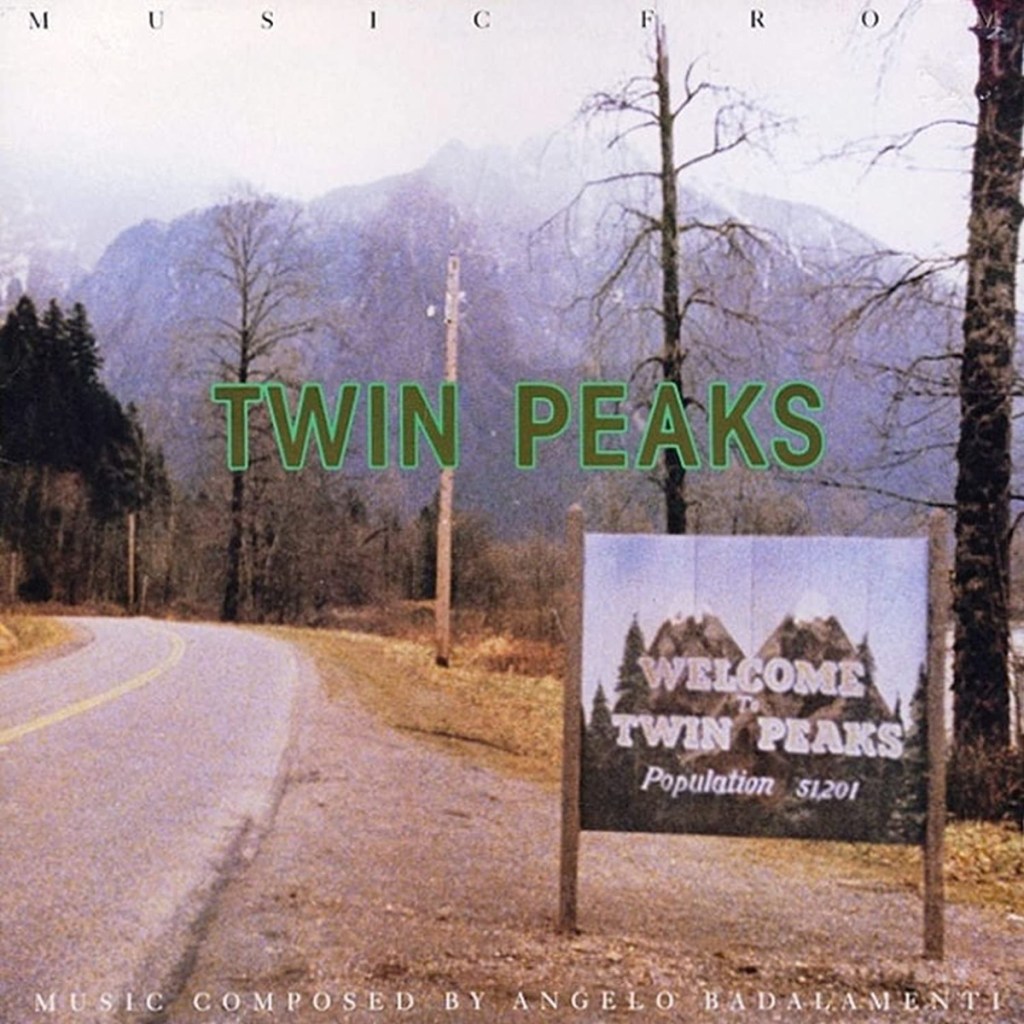
Television from the 90s is bookmarked by departures. Since the early inception of cable back in the 70s, public broadcast television had been dwindling to near obsolescence as private companies capitalized on an ever-increasing demand for content. As a result, networks radiated outwards and channels sprung up to satisfy every whim and interest. Sitcoms, news programs, dramas and animated series all sought out reinvention.
While tonal shifts were demarcating the style of 90s television, viewer demographics were shifting away; gone were the days of the shared television experience. Programming schedules now advertised directly to the whims of the viewer and the vast breadth of viewing options batted the flames of decisiveness to gutter out in an influx of niche media. Accessibility was redefined and cable TV was granted an established place in the common American’s living room.
With broadcast television offering its alluring escapism to an unprecedented number of cable-wired-households, networks were attempting to fill their slots with anything and everything, and as such less conventional shows crept through broadcast hours. Perhaps the least conventionally assembled show to air was the mystery Twin Peaks. Co-created by filmmaker David Lynch and writer Mark Frost, Twin Peaks premiered on ABC in 1990.
During its original two-year run, Twin Peaks distinguished itself by it’s enormous, charismatic cast inhabiting the show’s small Northwest setting and swirling plot that would spiral away at every opportunity from the opening’s deceivingly simple premise. Extricating a television-friendly pace and structure from Lynch’s convoluted storytelling, Frost was able to marry the eccentricities of the filmmaker’s creative charm to the greater vision the two collaborators originally envisioned for Twin Peaks, ultimately assisting in the progression of the pilot’s story and allowing for a mystery to shimmer into existence. The effect was a show unlike anything to ever grace the small screen.
Perhaps the most celebrated and recognizable qualities of Twin Peaks exist in its atmosphere. The opening titles focus upon a shot of the now extinct passenger pigeon, inviting the viewer to stare long and hard at something that once existed within the world but now holds no terrestrial place. Somewhere between real and unreal, where the minds’ eye focuses on seemingly ordinary things and searches for hidden malignances in them. Here, at the junction of crisscrossed leylines of the known world and its spillway to planes of otherworldliness. Entering a place set out of time and space.
This famous prioritization of mood over plot is duly owed to Lynch’s creative love for realizing a scene, but the setting of scenes in Twin Peaks is done to music. David Lynch met composer Angelo Badalamenti during the shooting of his 1986 thriller/romance Blue Velvet; Badalamenti was originally called in just to work on a scenic rendition of the film’s titular Bobby Vinton song. The two artists clicked with a creative magnetism that led to collaborations on every subsequent film and television series over a thirty-year career.
A practiced pianist from an early age, Badalamenti’s scores invite a synthesized, nigh ambient quality to his classical-makeshift style, which he worked into his songwriting for artists such as Nina Simone, Pet Shop Boys, Perrey & Kingsley, Julee Cruise and Dolores O’Riordan. His approach to the Soundtrack from Twin Peaks takes on a floating reflection of the idyllic small-town itself. It broods on the lengthening shadows of evening hours; it sweeps on heart strings in the intimate moments of the day. It reserves a light and playful tempo for comic relief and moves though everything with the same dreamy air that hangs low over the show. Using heavy reverb to draw beautiful, haunted mournful sounds from pieces like “Laura Palmer’s Theme,” “The Nightingale” and “Love Theme from Twin Peaks,” Badalamenti sanctifies themes of innocence and love with a purity personified in trickling keys. Tacking the cavernous wail of noir-like jazz to haphazardly assembled percussion, menacingly goofy finger snaps, and a whammied up-to-no-good guitar riff, the assemblage “The Bookhouse Boys” enters and returns for multiple movements. The plodding bassline is then recycled in dance-time to build on the toned down, blissed-out etude “Dance of the Dream Man” and lend its ride cymbal to “Audrey’s Dance.”
Darkness is a theme consistent throughout all David Lynch’s works. In Twin Peaks there exists a menacing presence that lies in the unknown, somewhere under the cloak of darkness or behind billowing red curtains… As the show dances away from its premised tragedy, the invisible balancing act of opposites steps into a leading theme. The music reflects this dichotomy and as innocence walks hand-in-hand with pure evil, Badalamenti captures fears and plays off the imagination particularly in “Night Life in Twin Peaks”.
Over the swaths of cold, misty black-green hinterland, you can hear darkness fall. Down from the mountains cascade bales of steel grey synth, brooding and sounding far-off in fog-horn announcements. Down to the main street, the few souls still out distinguish each other’s silhouettes by the curious ways the misty sound clings to their garments. In the nighttime, where traffic lights blink yellow at dusk and the sole proprietor of the sole diner serves pie awash in a vaporous neon bath, the sound swoops low and rolls like the fog off the pitch-dark pitches of air. In rides a barely perceptible percussive pattern, the flotsam of live music drifting steadily from the nearby dive bar (also alit in neon) and losing most of its form in the cascading echoes of muddling synthesizer, spattering an imperceptible levity of jazz into the night before it is swept away as a flickering thought.
The Soundtrack from Twin Peaks is more than just atmosphere or noises filling a gaseous envelope. Starting from the first electric fizzles of “Twin Peaks Theme” to Julee Cruise’s mirrored descent on “Falling” the music breathes life, the scent of Douglas firs and the sounds of the mystical world Frost and Lynch created. It inhabits the world it reflects, embodying a particular character and casting itself across a scene to fulfill its role. Whether the music is experienced with the show or listened to on its own, the tracks hold record of everything that happened from 11:30 am, February 24th onward and will forever remain alive with the pulse of the town of Twin Peaks. Angelo Badalamenti returned to score the 1991 prequel film Twin Peaks: Fire Walk with Me and the 2017 limited series Twin Peaks: The Return. He died December 11, 2022, at the age of 85.
The dreamer dreams in a vacuum filled with music.
 gone gazing