

What better way to end the year than looking back on twenty of the best albums of 2023. From auteurs of old to disruptors new, these albums range from psychedelic to pop to hip-hop and to a mix of all that and more. Listen along to our Best Albums of 2023 Spotify playlist as you read, and we hope you find a new favorite to round out the year.
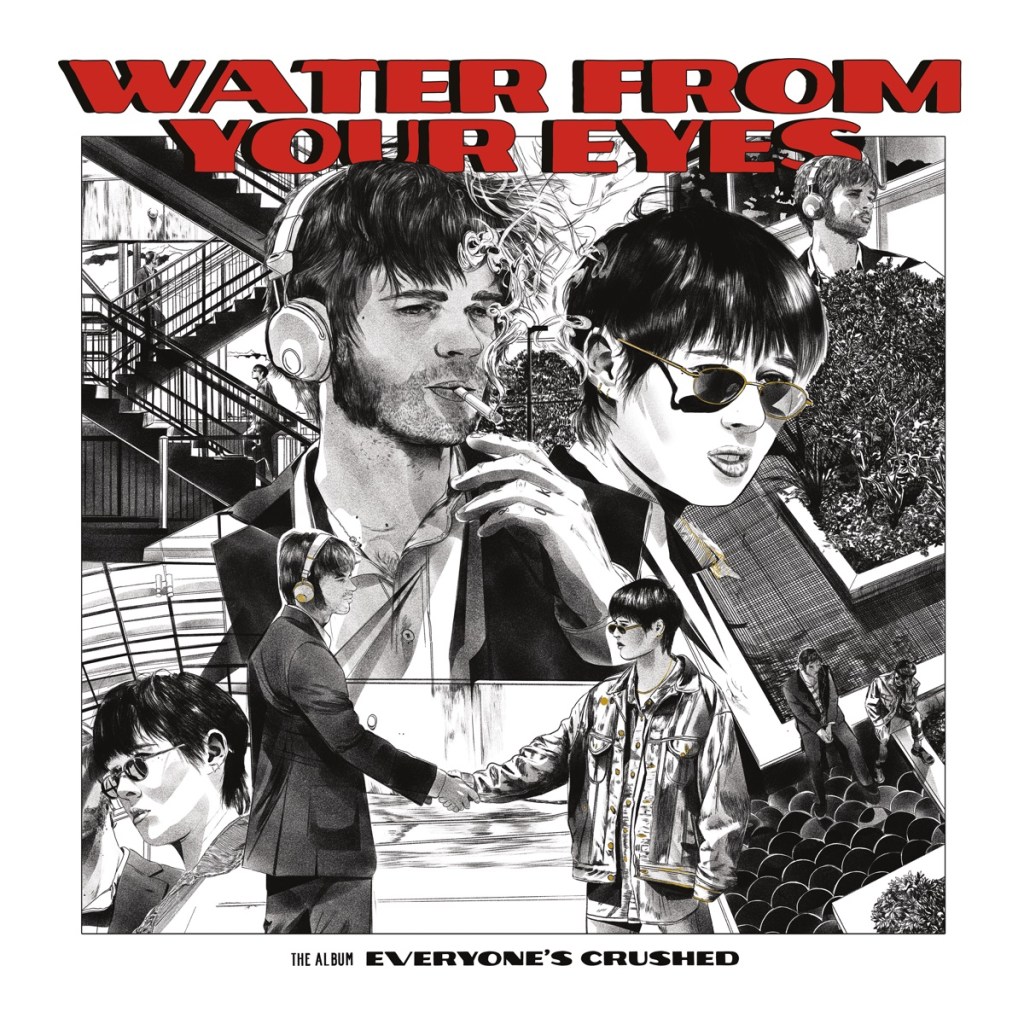
Everyone’s Crushed
Water From Your Eyes
Do you like being advertised-at while listening to an album? About as persistently as Spotify’s requests that you upgrade to Premium, and Wikipedia begging that you donate $2.75 before scrolling further, Water From Your Eyes reminds us that there’s no escaping marketing in music nowadays. Rather than resisting the trends of a consumer driven culture, embrace the crushing symptoms and dance along to the catchiest of jingles.
This coping on Everyone’s Crushed is messy and full of contradictions that speak of trauma, toxicity, existentialism… and Neil Young? The album’s catchy singles, which the band has ironically cited as some of the “most unlistenable songs on the record” continue in their 1-2-3-4 meter ‘til their unresolved conclusion, bowing to all that they sought to disprove in resignation. Makes for the perfect jingle to sell the new iPhone or something.
This Land is Inhospitable and So Are We
Mitski
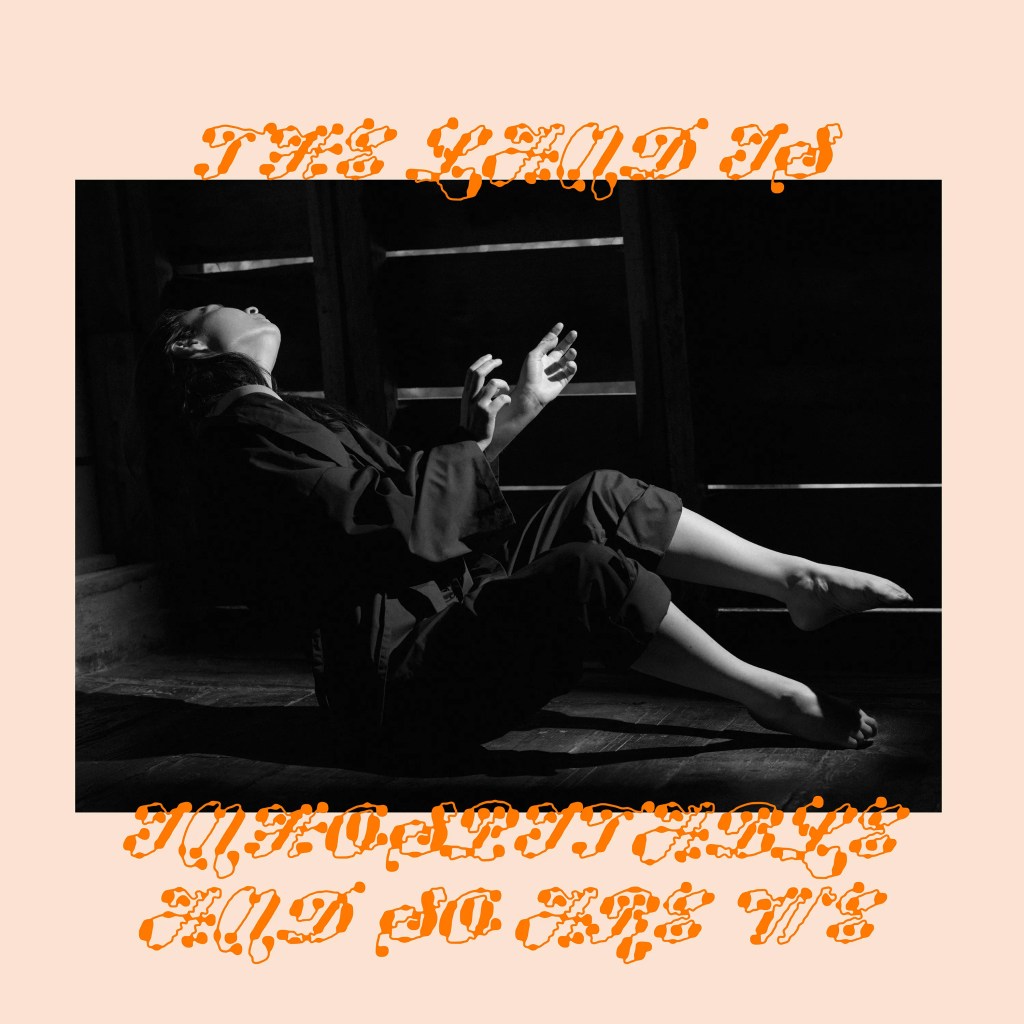
The Mitski of old was an artist of grandeur. Massive synth-pop sounds coloring her beautiful songwriting, capturing a jaded, isolated artist making sense of a cynical world. With her seventh album, Mitski exchanges her claustrophobic techno beats for orchestral arrangements, retracting her claws, and laying bare a softer intimacy, a softer sadness.
Despite the change in sound, her lyrics retain the melancholic frustration of her earlier albums. Mitski takes a midnight walk accompanied by a quiet guitar strumming on “The Deal” until she trades her soul to the night, unburdened by that weight but still without freedom. Dust covers the world in “The Frost” and Mitski peers from her house as the sole survivor with nobody to share the view, forever.
Yet hopefulness is instilled in This Land is Inhospitable and So Are We. Mitski pleads to the Moon on “My Love Mine All Mine” – begging the holy being to carry her heart when she passes so her love can shine down back on Earth for her partner. Learning to love, wanting it to last despite the struggle, and recognizing that it’s the only thing someone could ever own.
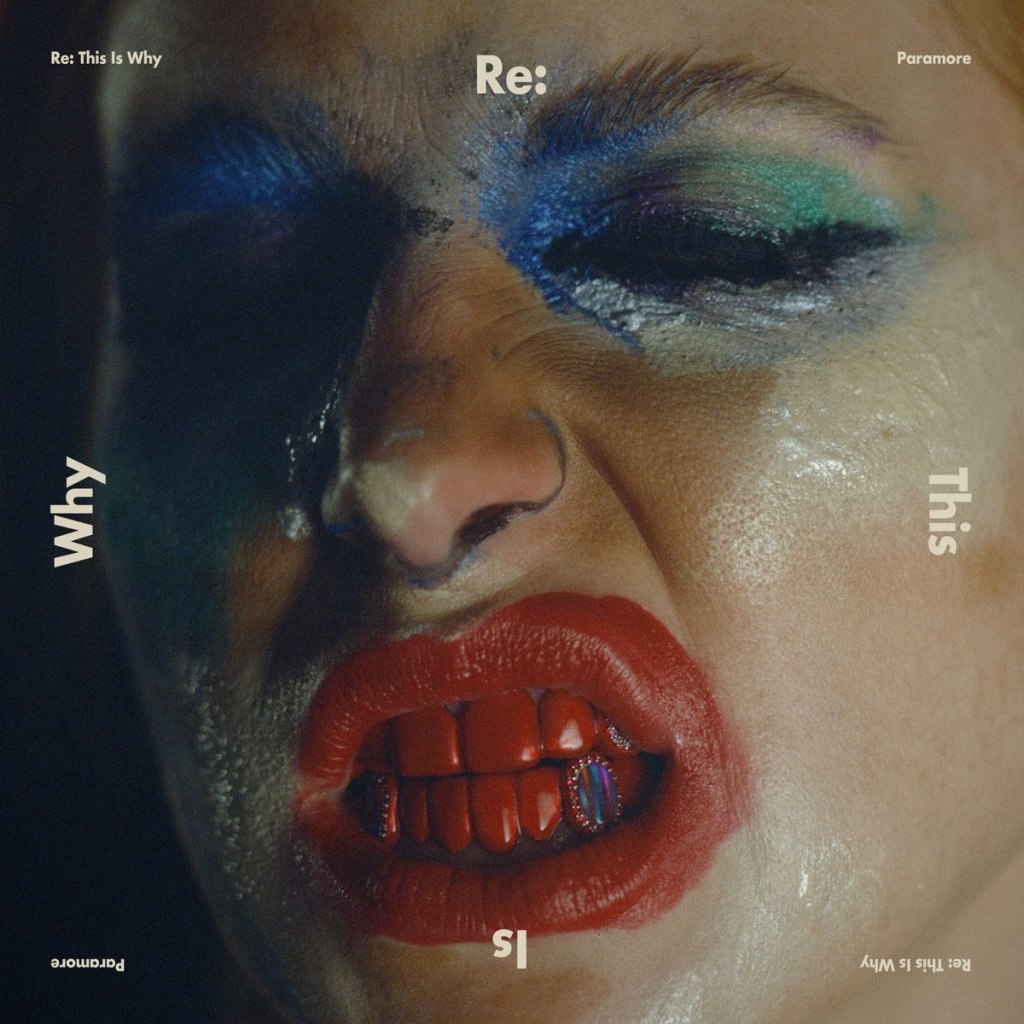
Re: This Is Why
Paramore
This year Paramore invited contemporaries to reinterpret their music in unique (and not so) ways, effectively doubling their material output within the same year. You can hear panders to fans with faithful adaptations by Remi Wolf and The xx’s Romy Madley Croft, and clever restructurings by Foals and Panda Bear that help the album over it’s less inspired renditions, i.e. Wetleg. Amidst the misses, The Paramore’s were able to pull off this not-quite-a-remix cover album that was interesting enough to pique relistening curiosities and warrant returns to this Re: album’s “source material.”
SCARING THE HOES
JPEGMAFIA & Danny Brown
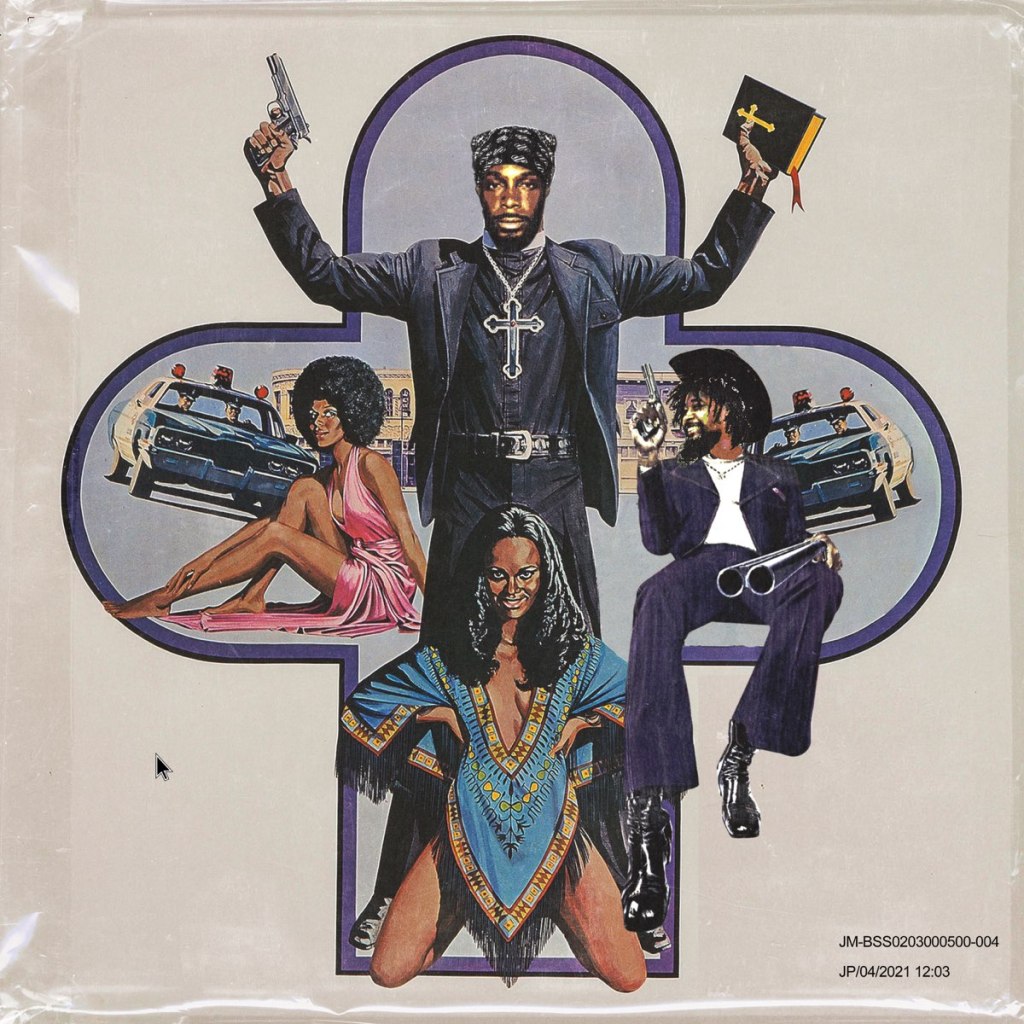
The prodigal hoes swarm in raves, fleeing from the grating, experimental sounds pulsing through JPEGMAFIA and Danny Brown’s first collaborative album. Yet the artists refuse to give up the aux, to ease off the gas pedal – no, its full throttle through JPEGMAFIA’s abrasive, industrial production, sampling Renn-fest horn orchestras, broken sax solos, “Milkshake,” and more unorthodox sounds to craft the chaotic SCARING THE HOES.
The duo try their hardest to make head-scratching bangers that can only make you laugh while getting clocked in the mosh pit by an un-deodorized teenage white kid that says the n-word. JPEGMAFIA jests, “What kind of rapping is this?” on “Lean Beef Patty”, a callback to his LP! track of the same name, and a challenge to hip hop traditionalists. If it isn’t fun, what’s the point?
Danny Brown’s showy cadence against JPEGMAFIA’s production gets lost in the vortex on some songs, but the combo produces many brilliant moments – Brown dancing between Renaissance Festival brass sections on “Burfict!” and heavenly choruses with Redveil on “Kingdom Hearts Key.”
The pair’s verses throughout the album rely on a chronically online listener to fully appreciate, from the album’s opening line, “First off, fuck Elon Musk,” to JPEGMAFIA likening himself to a “Black Marjorie Taylor Green” and Brown lamenting that his texts with God are in green bubbles. SCARING THE HOES is messy, and that’s all it needs to be.
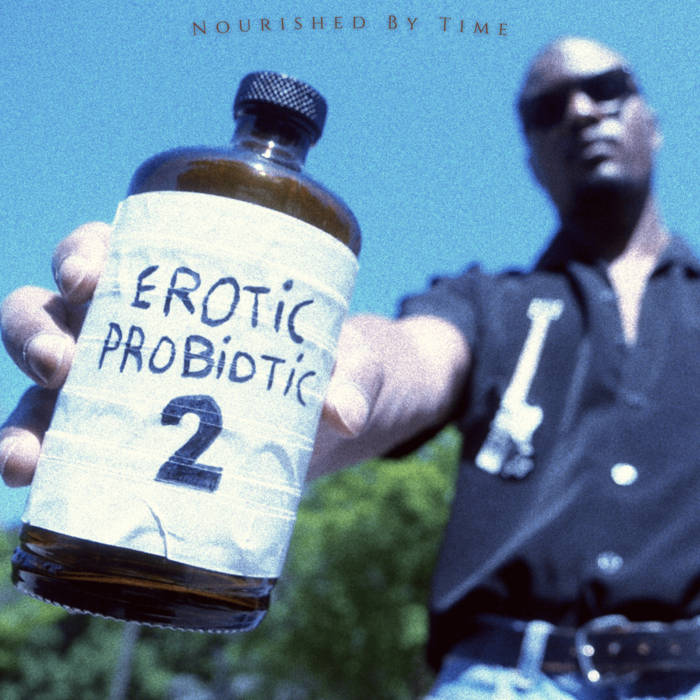
Erotic Probiotic 2
Nourished by Time
Now with more active cultures, Erotic Probiotic 2 is good for your gut and your butt!, if taken at prescribed dosages and no more than 3 times a day. Nourished by Time is the Maryland-based artist responsible for placing this tickling debut deep down ear canals.
The album’s well-loved beats form a poultice with the artist’s soul-choked voice, that can brood heavily but never in any way that obscures the speaker’s emotional state. There are glaring moments of unblemished feeling right out the gate with “Quantum Suicide,” which do not tangle with lyrics but tangle with memories that belie enunciation.
EP2 works in layers, is unblushingly corny and it’ll itch those hard-to-reach spots in your brain and soul. If you experience itching anywhere else, keep listening but consult your primary care provider.
I Killed Your Dog
L’Rain

L’Rain doesn’t let it linger. Pushing through genres, fleshing out one and then leaving it behind. Liked one? Too bad, you won’t hear anything like it ever again.
Pulling out Strokes-esque distorted guitar and compressed vocals of “Pet Rock” to the haunting mantra of the title-track to the bubbling instrumentals and spoken verse of “5 to 8 Hours a Day (WWwag)” there’s a rich biome of ideas across the expansive I Killed Your Dog.
The last time we’ve heard such a mind bending exploration of layered alternative and R&B was the instrumentals behind Frank Ocean’s Blonde, and L’Rain’s passionate mystique crafts a universe of even greater wonder.
Flicking through themes of breakups, awe, loneliness, and inanimate death, her lyrics an uncharted sea floor teeming with life. I Killed Your Dog is chaos, a reflection of the self in the now, capturing the twisted surrealness of ourselves. When it’s over, it’s over. Just hit replay.
Space Heavy
King Krule
King Krule has managed to retain a sound that has absolutely no place within or without most music circles. This sonic alienation rears its ugly head and is lost somewhere in the soupy unbelonging of Space Heavy and Archy Marshall’s estranged lyricism. The notoriously recloozive artist epitomizes a true originality in music and this record is no chink in Krule’s rule of England’s subterranean seas of noise. Make empty space for Space Heavy, somewhere between point A and B in a limbo of belonging and unbelonging.
Girl with Fish
feeble little horse
Girl with Fish demonstrates just how fun it is to plug shit in and press some buttons. A chaotic intersection of shoegazey guitars and digital samples, feeble little horse plays with musical ideas like toys.
Noise rock riffs coat sardonic delivery on “Freak” and “Steamroller” while breakcore beats set a variable tempo to the duet “Sweet.” They dive straight into emo guitar tones and country fingerpicking layered with synth notes on the verses of “Slide.” Screams cut off a medley of vocals on “Pocket” bringing the whole song to a stop, restarting with a brand new tone, abandoning the cuter feeling of the first half of the song.
Each of the eleven tracks have enough unique ideas on their own to flesh out eleven different albums. The uniting thread between is a mastery of catchy indie hooks – we can only try to sing along as we race against a feeble little horse.
Rat Saw God
Wednesday
If all the music released this year was a garden (analogy), there’d be a lone planter box, squat and dolorous in the corner receiving either too much or too little light, suffocatingly crammed to the point of spilling over an unkempt blackening mass of punk rooted alternative, um… pea plants.
This confluence of legume musicianship would split Mendel’s pea soup brain right open and make it difficult for anyone to believe that anything could thrive in a clotted rock garden such as. Yet one tendrilled band rises up out of the suburban yard plot, a North Carolinian variety of the sugar snap pea, Psium wednesdivum or known by their common name “Wednesday.”
True to their heirloom home, Wednesday peas sound slightly twangy, but delirious! Of all the pea plants singing and sowing their overripe metal influences in abashed nodes, Wednesday are the only ones doing it under the shell of Mortal Kombat references. Now available in prepackaged gothic envelopes, Wednesday’s Rat Saw God is a real scuzzy trip down the trellis.
Live at Bush Hall
Black Country, New Road
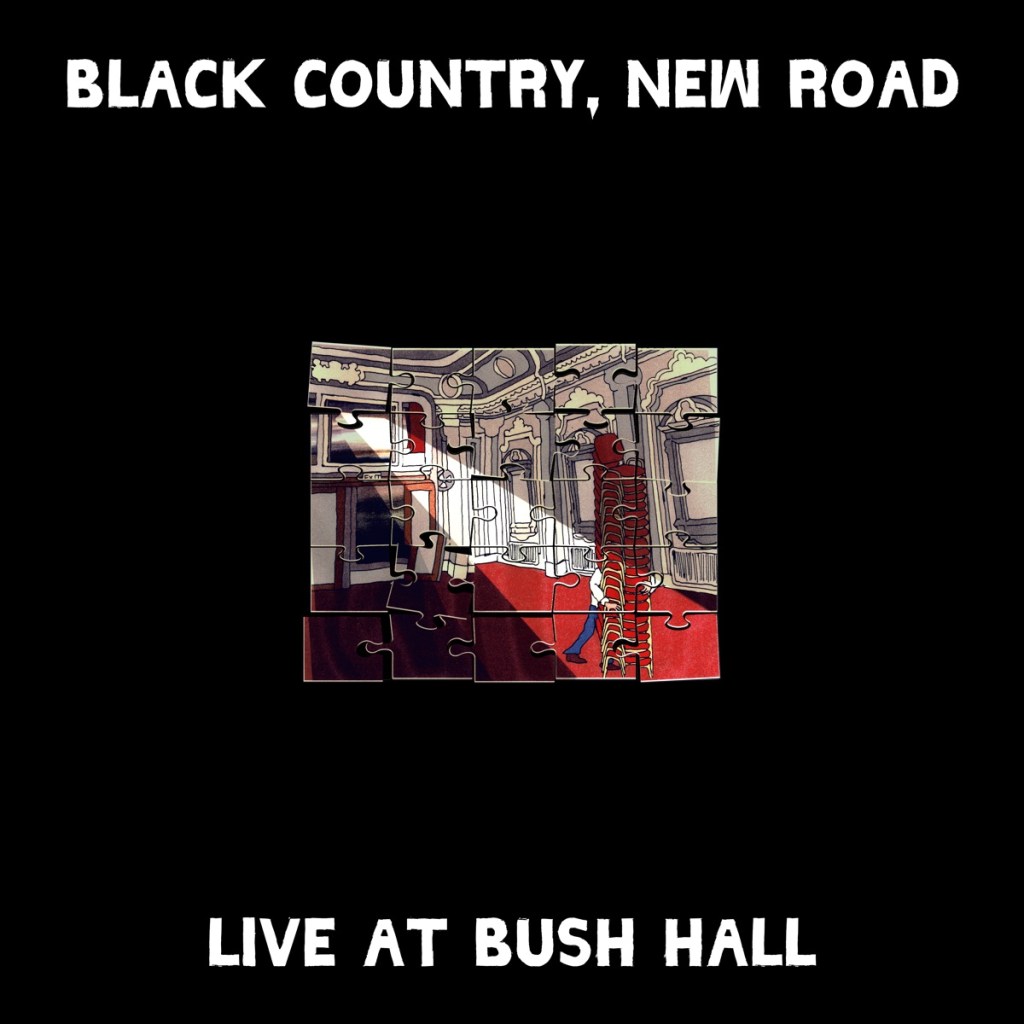
Black Country, New Road takes their first creative steps away from an era helmed by their former frontman Isaac Woods with the concert film Live at Bush Hall. Recorded over three performances at the London venue, the band debuts a new spin on their orchestral art rock grunge fusion against rotating scenes of a pizza parlor, farm, and high school prom.
Live at Bush Hall captures an anxious, proud, and exciting moment in the band’s rebirth. BC,NR’s gorgeous instrumentation and hallowed lyricism rings to the same standards as their first two albums, with greater influences from chamber pop and jazz coming through in their patient lows and brilliant highs. With frontman duties now shared amongst the remaining members, the band delivers a powerful variety of performances in song-writing and vocal styles across the recording.
Many feared what would become of the band following Woods’ departure, but Live at Bush Hall puts down those doubts and inspires feverish anticipation of what’s to come. “BCNR: Friends Forever.”

With a Hammer
Yaeji
About as subtle as any self-scrutinizing album can be, Yaeji delivers something so off target, so weirdly out of nowhere that you can’t help but feel a sort of magnetism towards it. Hammered full of meekly restrained insecurities and teeth kicking club numbers, With A Hammer is the hodgepodge response to all awkward demo dumps and copy-and-pasted EDM mixes.
Yaeji has individualized with With A Hammer and shrugs aside the outplayed drum and bass formula. It’s interesting music and it’s inspiring music and it should inspire new standards for the everyday producer/DJ in an already oversaturated electronic music scene.
the record
boygenius

I imagine a recurring text in the boygenius group chat, “When are we going to make the record?” Julien Baker, Phoebe Bridgers, and Lucy Dacus sending that text, back and forth, since their 2018 EP. In five years, much has changed, yet as their voices fill the opening harmonies of “Without You, Without Them” we’re taken somewhere familiar. We finally have it: the record.
At their best, boygenius is a gender-swapped Oasis, with equal moments of rock star gluttony and haunted songwriting. The lyrical skills of each artist take center, three vocalists trading verses and sharing harmonies across the album.
At their worst, boygenius is a compilation of solo material from three of the best voices in indie pop today. And that’s still pretty good.
Requiem for Jazz
Angel Bat Dawid
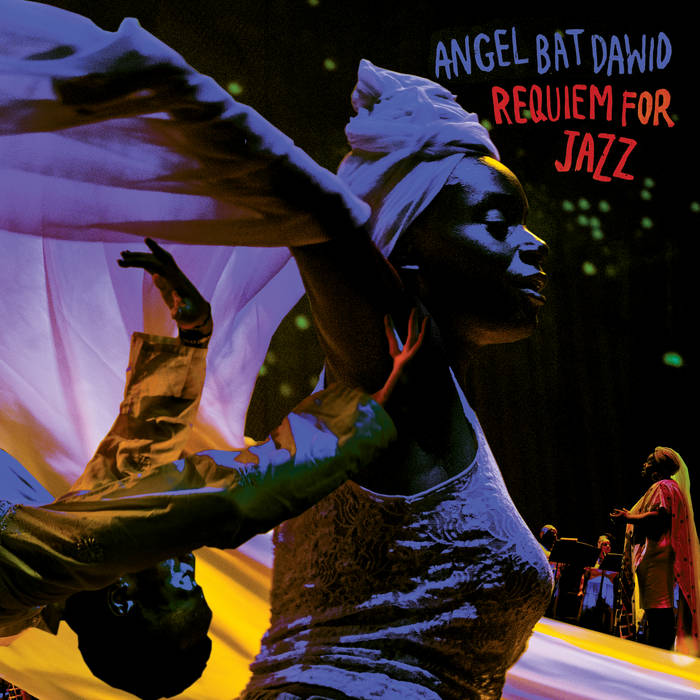
A ferocious recording from the composer and multi-instrumentalist Angel Bat Dawid, Requiem for Jazz is so diverse in its styles I found myself frantically checking from TRACK to track that I hadn’t queued something by mistake.
The constancies here are the album’s resolute themes. Laid in raw presentations and multi-choir pleadings, Requiem for Jazz turns an ontological gaze to the cultural history of jazz music over the past century.
As thoroughly as allotted in a 57-minute runtime, Dawid loosely chronicles how jazz serves as a symbolic record of racial injustice, one that grew out of generational suffering into the art form of black expression represented today. Something triumphant, perseverant and celebratory; jazz is that, can be that again and Angel Bat Dawid has become the conduit on Requiem for everything that jazz stands to accomplish.
10,000 gecs
100 gecs

In the rubble of lockdown’s hyperpop explosion stand 100 gecs. From headlining Minecraft music festivals to remixes with Fall Out Boy and Charli XCX, it’s hard not to have a visceral reaction to 100 gecs – positive or very, very negative.
Bands with sarcastic attitudes and disruptive, comically-exaggerated sounds often go too deep in their own jokes, losing sight of the music in the chase for cheap laughs. 100 gecs is the rare exception, a perfect balance of satire and saccharine, who actually has the quality to back them up.
10,000 gecs builds off 1,000 gecs, an exponential improvement as they ease off the glitchy, abrasive sounds that made their first album inaccessible to some. Instead, they stretch their pop muscles, writing the catchiest hooks of the year over the “SICKO MODE” drums, the THX intro boom, and samples of “Insane in the Brain” and Imperial TIE fighters.
100 gecs delivers impactful ska ballads about a trip to the dentist and a partying amphibian in between glitchy, egotistical takedowns. These songs scratch the brain, yes, but more importantly challenge what pop can be, whether 100 gecs even cares about doing so or not.

Agriculture
Agriculture
Metal is a tricky genre. In many ways it epitomizes the celebration of tradition, yet values experimentation and encourages the strain it places on the music and musicians themselves. It is a fine art, to create something distinct in quality, let alone balance these values. Hark! for band Agriculture hath struck a golden chord and is reaping something remarkable with the advent of their debut.
Where most black metal may be subdivided (generalizing) into cheery themes of death, suffering, the occult/satanism, and nature, Agriculture insolently defies categorization. The agrarian band describes their music as “ecstatic:” ecstatic in their fervorous pacing, ecstatic in their searching pauses, ecstatic in their… joyful exuberance?
From the first trembling notes of pedal steel guitar to the dying seething of metallic strings, everything about Agriculture by Agriculture works, it just works. Their innovation teeters on the edge of destroying them entirely, yet they persist against the grain.
“The Well” lays the melodic and thematic groundwork that is built upon in the 3-part piece “Look.” It’s decipherable too, the vocalists perform “The Well”’s clearspeech in gorgeous cadence, and only then launching into an unsolicited guttural rendition. Saxophones snicker in pauses and snares chatter in all the rest.
In the end they’ve resuscitated both the spirits of black metal and their listeners. We’re ecstatic to celebrate new traditions with the band Agriculture, hopefully returning for harvests in years to come.
Get Up Sequences Part 2
The Go! Team
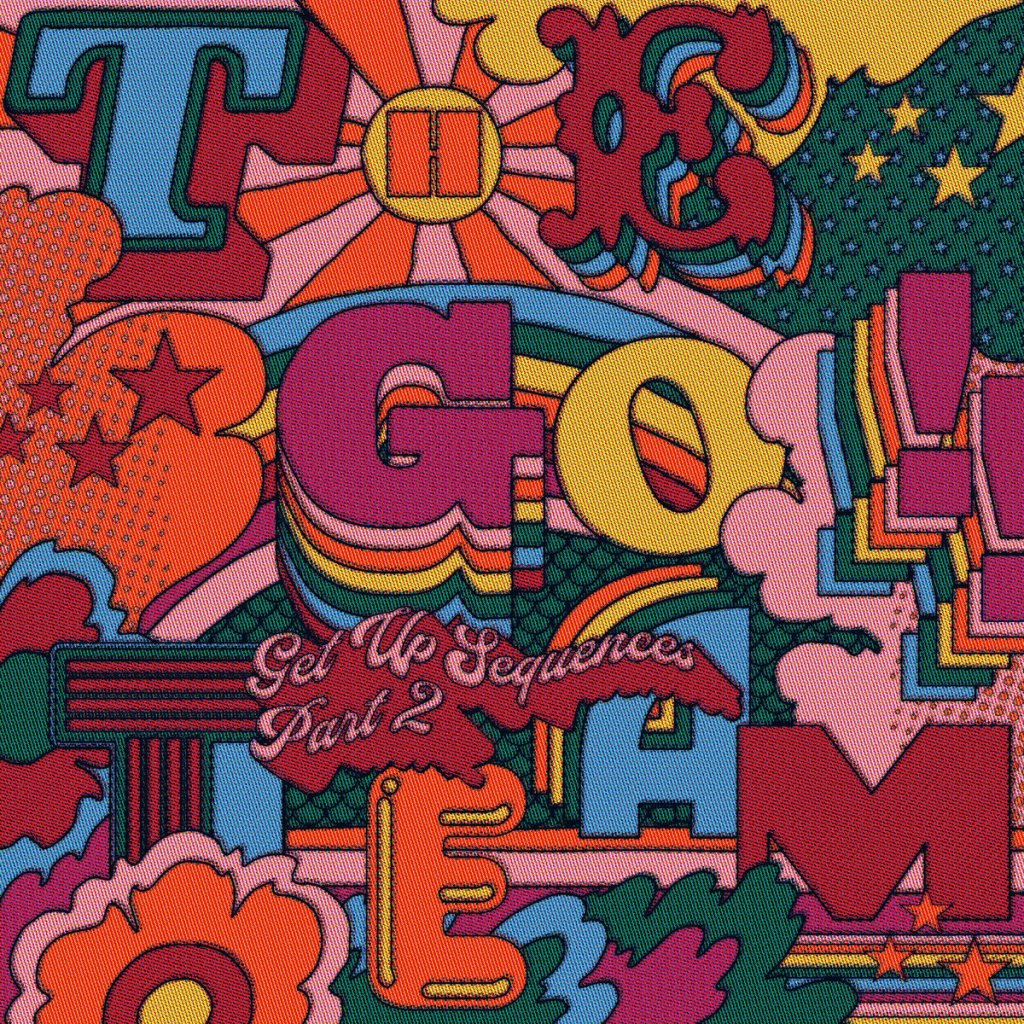
The Go! Team’s bright, cheerful sound is contagious. As the needle drops on the album’s opener “Look Away, Look Away” you’re forced up on your feet – to dance, to sing, to play. Get Up Sequences Part Two induces a dizzying head-rush as it whips you between genres and vocalists, never on stable footing.
The English band pulls guest features from New York to Benin to Japan as they blend together The Jackson 5, The B-52’s, Dolly Parton, Outkast, slowdive, and Mario Party into an eclectic, vibrant mix. It’s reminiscent of shuffling a vintage FIFA soundtrack while strolling through the Teletubbies’ grove.
Underneath its bright shimmer lay themes of protest and activism. “Divebomb” announces the band’s manifesto, introducing themselves to the global stage, while “But We Keep On Trying” details failure and the determination to push through it. The album’s sound lends itself to that core message, oozing unbridled optimism and ambition. A chorus at the end of the line, narrating a realized future of respite from struggle.
Get Up Sequences Part Two captures the perfect balance of indie distortion, throwback hip-hop, soul sampling, and infectious pop melodies that informed their early hits from Thunder, Lightning, Strike – now nearly two decades since they came out. In 2023, The Go! Team re-ignites those fireworks, potentially surpassing them, releasing their best album since their debut.
Praise A Lord Who Chews But Which Does Not Consume; (Or Simply, Hot Between Worlds)
Yves Tumor
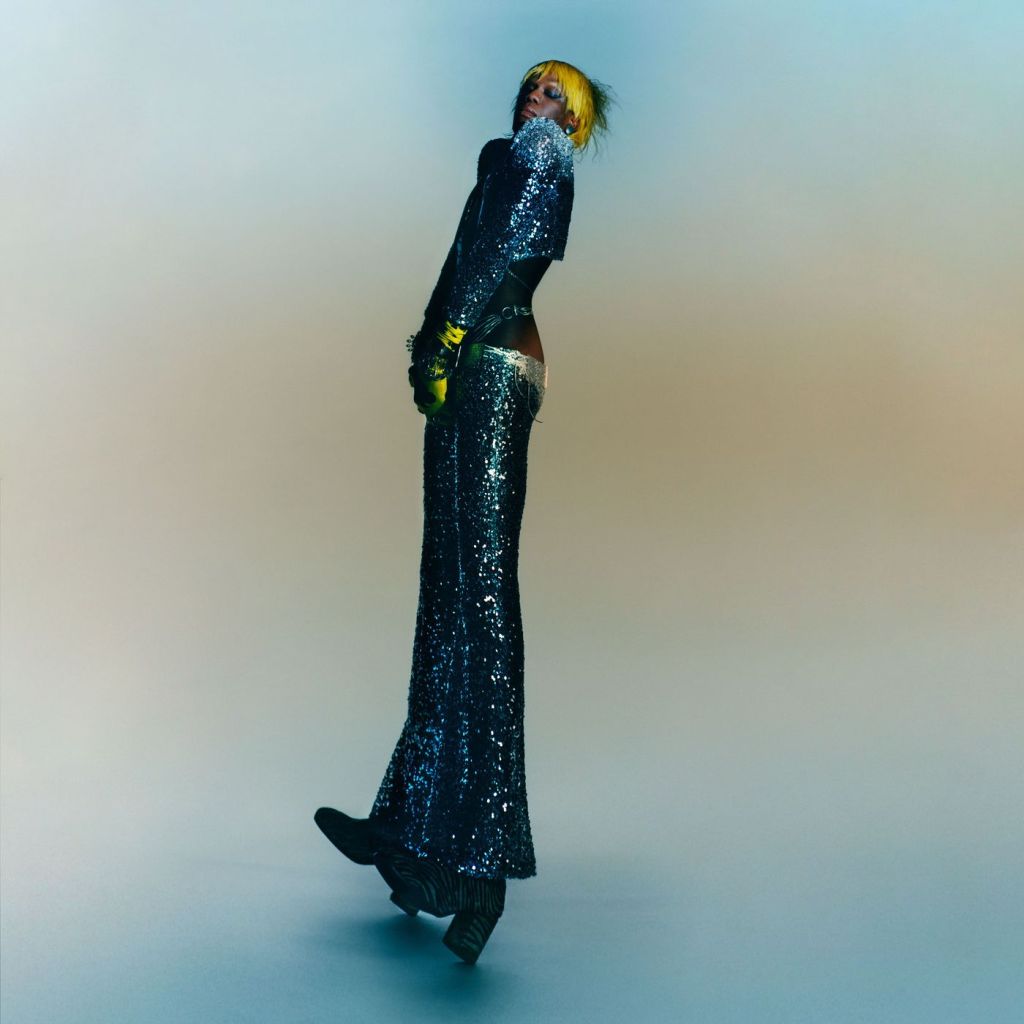
Following up any modern masterpiece, even years after the fact is some extraordinary task. Praise A Lord… will be Yves Tumor’s first breakaway since the great Heaven To A Tortured Mind. Everything on the album is a pop number, yet nothing is poppy.
Tumor has been likened to auteurs like Bowie and Prince, and yet still stands in the face of convention and defiantly rails away at punked dance numbers on solar soundstrings. Their music has always partly baffled me, which is partly why I have kept this portion short, but also to allow Praise A Lord… to baffle the listener. Perhaps an artist that truly speaks for themselves, Yves Tumor will lead listeners to the most fascinating borders of music and invite them to plunge further.
Desire, I Want to Turn Into You
Caroline Polachek
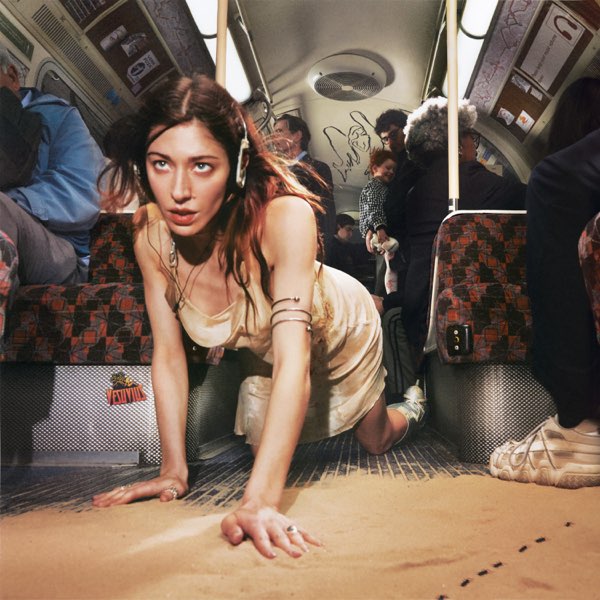
“Welcome To My Island,” repeats a robotic Caroline Polachek, inviting us to the world of Desire, I Want To Turn Into You. Grab a seat, relax, get comfortable. We’re in for quite a holiday.
A seasoned pop master, Polachek weaves sublime vocalizing through each track, instrumentals ranging from classical Spanish rock to ‘80s dance mania. She brings her odyssey to life in each song, jumping off the dive board headfirst into hopeless romanticism. Building up desire into a celestial being, the need to want, transformative passion that drags Polachek high above the clouds and six feet under in the chase for love, love, love.
The rich, intricate world Polachek crafted is certainly her magnum opus. Desire, I Want To Turn Into You is the rare mix that demands endless listening, revealing more and more to love with each visit to paradise.

Why Does the Earth Give Us People to Love?
Kara Jackson
There is a misunderstanding surrounding sadness: that it is the antithesis of happiness, that to exist in it is to experience only the pain and difficulties crossed with it, that sadness is inherently bad. At some point melancholic music became tied to those beliefs, that in order to listen we ourselves must also be glum, and that to listen is to dwell unnecessarily upon those inscrutable emotions.
To brush Why Does the Earth Give Us People to Love? under the tattered rug of superficial sadness is to miss its cathartic point entirely. With relief, and sometimes there can be none without help, we make our way slowly through circumstance to realize some of the greatest moments of centeredness arise from great bouts of sadness. Why Does the Earth is such a mixing of emotions, and Kara Jackson revels in these moments of conflict with a coping mixture of wittiness and tenderness to the effect of desperate relevance.
These are the records that make album of the year lists worth writing. The records that dare you to peer through the inscrutable emotions, brave your friend’s “sad but good” recommendation and find that kernel of humorous clarity missed on first and second listens.
Why Does the Earth gives us something to love, something to respect within ourselves, something discoverable and good, and demands to see us changed for the better. As all things pass, Why Does the Earth passes through us, and it’s up to us to make something of that.
Isn’t it Now?
Animal Collective
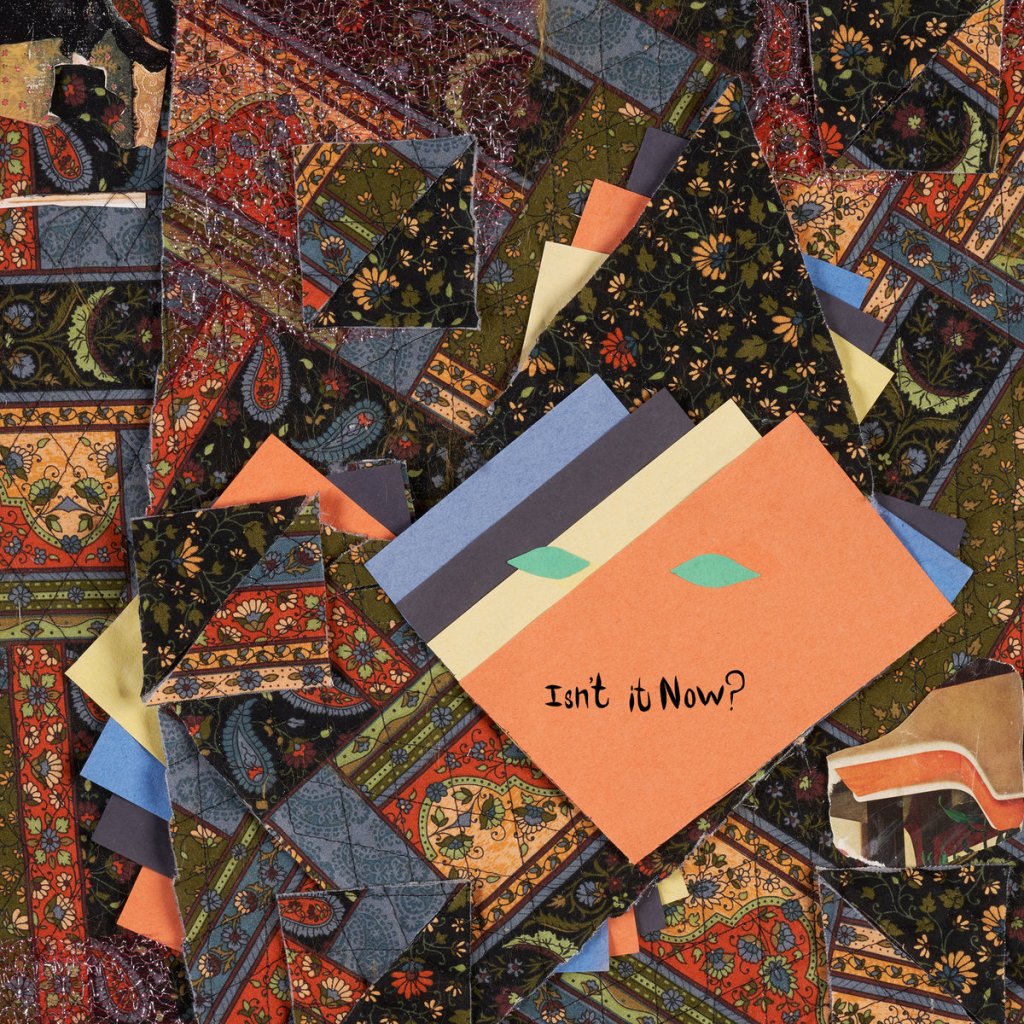
The eccentric Animal Collective that defined an era of indie-electronica and techno-ingenuity is aging, twelve albums in with Isn’t It Now? Having re-invented themselves a dozen times, Animal Collective takes on a genre alien to them – a (somewhat) normal rock.
They favor traditional instruments and slow burning crescendos in place of shocking, chaotic bursts of their past outings. It’s almost strange, hearing a band that inspired a generation of electronic artists travel backwards towards the sounds they disrupted.
Panda Bear’s signature mantras lead the opening “Soul Capturer” alongside a drum and guitar loop that teases expansion in every chorus. Exercising restraint, Animal Collective lets out brief sighs in the backing harmonies and underlying sounds – every listen providing a new hook to catch on to.
“Genies Open” bubbles up to pace with an alluring bass line, dancing beneath waves of noise, a chipper melody accompanies vocals from Deakin, Avey Tare, and Panda Bear. At the five minute mark, chants for a “sea of light” fade out with an insane beat switch into a catchy pop outro. “Broke Zodiac” continues the funky vibes, psychedelic bliss, lovely for dance.
The band then drops two lengthy tracks at the halfway mark, an ode to growing out of hometowns in “Magicians of Baltimore” and their longest song to date, the twenty two minute “Defeat.” Panda Bear echoes into space, supported by oozing, church-like synths, a glistening hymn for the first third of the song.
As he sings the final chorus of part one, life creeps into the void, picking up speed with the first hints of drums, panning chants from all members, and a brilliant line up to an explosive interlude. Relishing in that excitement only for a moment, the song sucks back down into subaquatic tides, hiding secrets for patient listeners to discover.
“Gem & I” brings us back to the surface, the band’s stab at jazz in a song about simple pleasures of aging with, “Another tip to the golden years, we’re probably in it.”
From out of nowhere, Deakin sneaks in the gorgeous piano number “Stride Rite” – a retrospective on life and loss, his somber and hopeful delivery of, “let’s invite all the songs we wrote so we’d know / and let them go,” being the greatest music moment of 2023. Like in the repeating verse of the next song “All The Clubs Are Broken” the singer-songwriter splendor is, “gone when it arrives,” as the regal chants of “Kings Walk” closes out Isn’t It Now?
Animal Collective delivers on their most straightforward record to date, a beautiful interpretation of psych rock and a celebration of life’s highs and lows. In the hands of these Magicians from Baltimore, the standards and conventions of genre bend to serve them, conjuring magic in their own way.
Check out the full playlist containing all of Gone Gazing’s Best Albums of 2023 and read about our Best Songs of 2023. Had a lovely year gazing with you. On to the next.
 gone gazing
One response to “Best Albums of 2023”
[…] a strong case. From early EPs of Avey Tare and Panda Bear swirling around Baltimore to transcendent psychedelic rock epics, they have covered more ground in two decades than Radiohead, The Beatles, and many more. Each of […]
LikeLike