
In the wake of the 56th Grammy Awards, a historic sweep orchestrated by the French electronic duo Daft Punk, there rang a question: “what’s next?”
For Random Access Memories had already conquered the world – it was impossible to avoid Pharrell and Nile Rodgers on “Get Lucky” while rock stations rotated between the indie legend features of Julian Casablancas and Panda Bear. Winning five Grammy’s, including Record and Album of the year, almost felt like a shortcoming for the group’s infectious achievement – it was that big. The band didn’t plan any shows to promote RAM, and with the only performance by the group since their legendary Alive 2007 tour coming at the Grammy Awards that year, Daft Punk collected international acclaim without leaving the studio.
“What’s next?” In the ten years since Random Access Memories, the answer is nothing.
Since Random Access Memories, Daft Punk featured on two songs from Starboy by The Weeknd in 2016 and put on their final live performance at the 59th Grammy Awards in 2017. In 2021, the band announced their break-up with a video using re-hashed footage from their 2006 film Electroma. The members pursued their own solo projects, and Thomas Bangalter cited the rise of artificial intelligence in the arts as a reason for the break-up, noting to BBC that, “… the last thing I would want to be, in the world we live in, in 2023, is a robot.”
Disappointment was the bare minimum for fans of the band, some reached for anger towards such an abrupt, whimper of a finale for a career spanning three decades of mystique and brilliance.
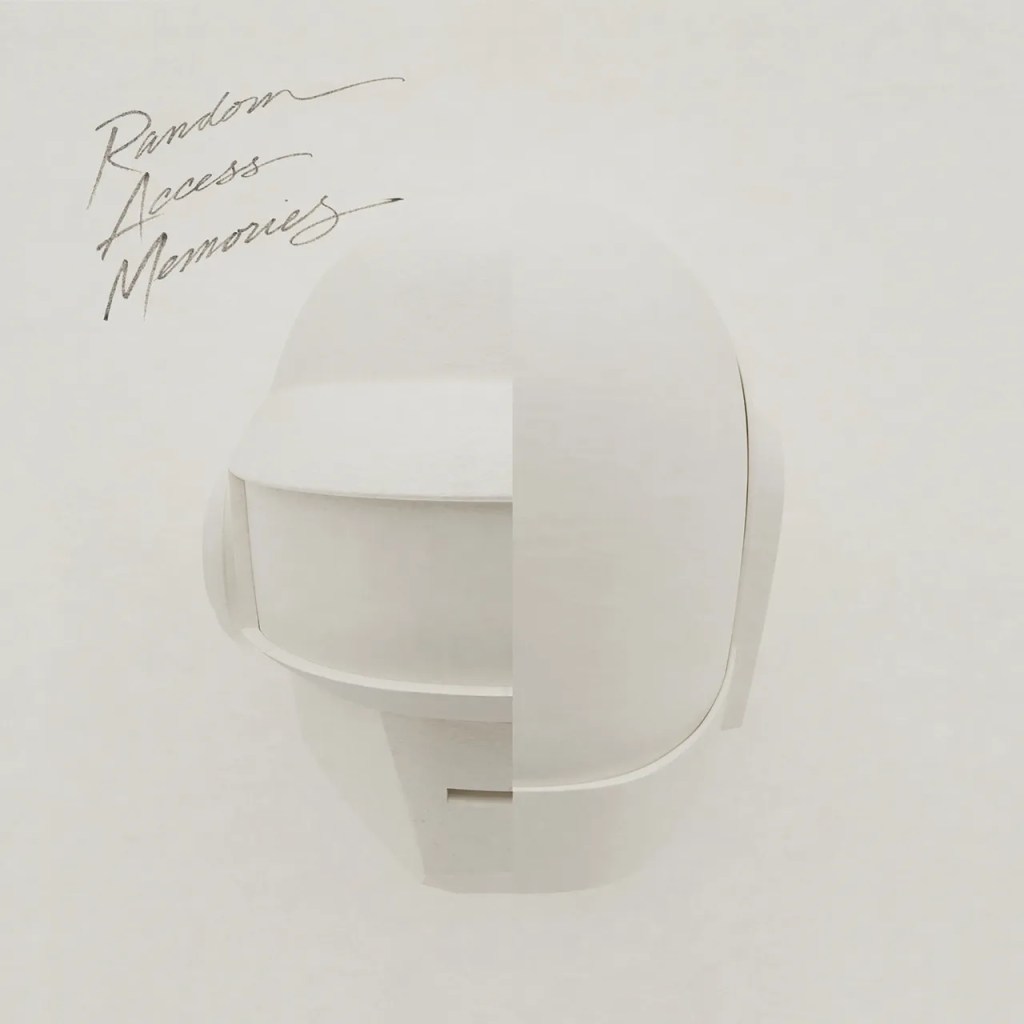
In May of 2023, for the ten-year anniversary of their magnum opus, Daft Punk released a remaster of RAM that included some demos and studio outtakes, the only one of note being “Infinity Repeating” – the long lost second collaboration with Julian Casablancas and The Voidz. In November, the band released an offense even greater than their recycled break-up video, Random Access Memories (Drumless Edition).
In the realm of slowed and reverbed, Gorillaz without the rapping, night-cored, and similar bogus remixes, a drumless house record is perhaps the most confusing and least requested.
There were brief moments of clarity, with the stripped-down “Instant Crush” revealing more of Julian’s haunting performance, outweighed by heavy missteps, Panda Bear sounding lost without his signature Animal Collective percussion on “Doin’ it Right.” “Touch” was unlistenable, and “Give Life Back to Music” did the opposite of the chorus’ call to action.
I failed to listen to the whole album through, I couldn’t bear the mutilated songs I’ve adored for the past ten years. After I shut off the record, I went to Jimmy John’s and ordered a breadless sandwich, and followed up at my local cafe with a coffeless latte, which I drank in a park underneath a branchless tree, then went home and called it a night on my mattressless bed.
It’s not to say they can’t do their own things – Thomas Bangalter released the orchestral Mythologies earlier this year and Guy-Manuel de Homem-Christo co-produced “Modern Jam” off of Utopia with Travis Scott. The pair still share a studio, but Daft Punk had run its course, the story of two robots finished, although in an uninspiring fashion.
For years of waiting, fans get two guest spots on a random Weeknd album, an unfinished Voidz song, and some $60 vinyl bundles. It’s a let down. “What’s next?” Guitarless edition, synthless edition, Pharellless edition, forever cleaving away at the Daft Punk legacy, becoming less human and more robotic ever since the duo took off the helmets. The natural conclusion to any artist is to sell out, but it hurts when it feels so cheap. Dumping old recordings and sad remixes doesn’t feel like a worthy end to the 28-year long project that defined genres and production techniques of the 90s and 2000s, but here we are. At least we have the (random) memories.
 gone gazing