
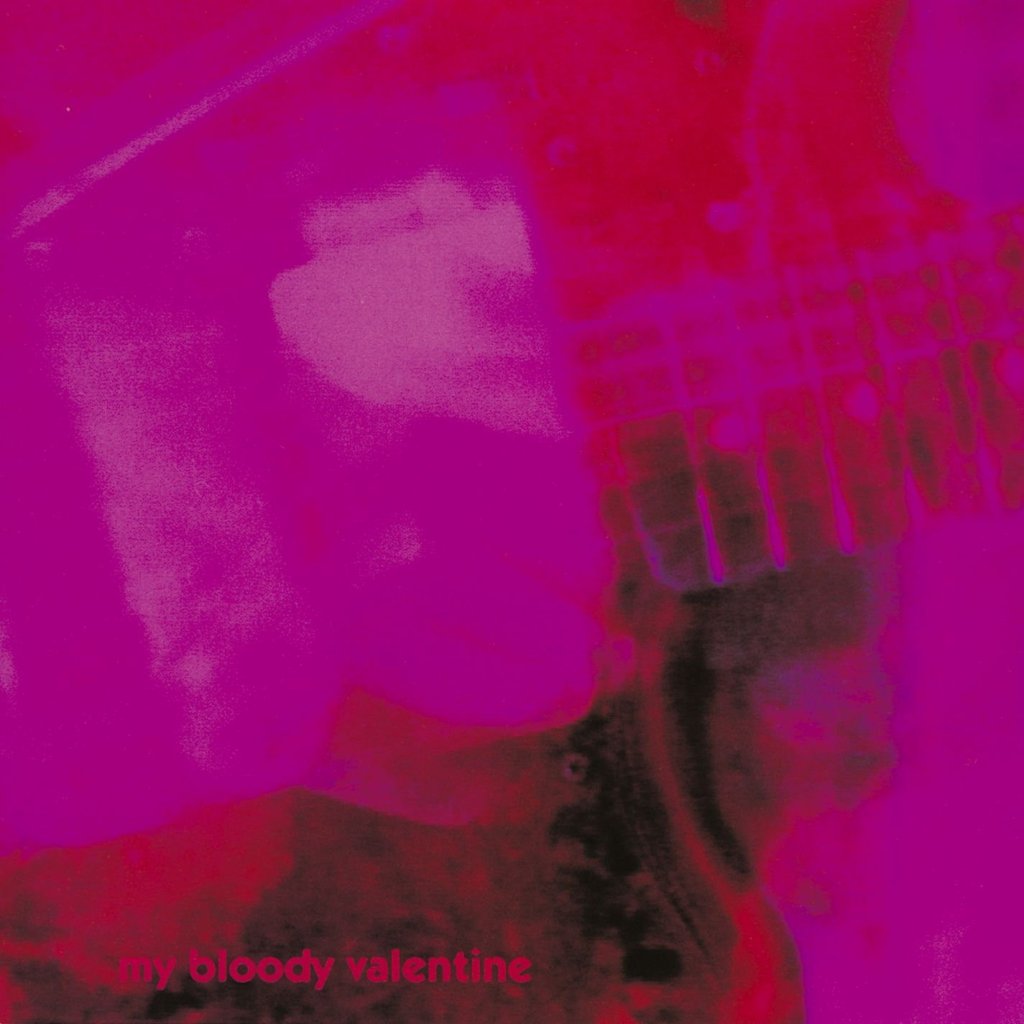
At the start of the 1990s, shoegaze was on the rise. The alternative sub-genre defined by distorted guitars, dreamlike vocals, and layers upon layers of noisy effects had a hold on record labels and rock audiences alike. Synthesized from post punk and new wave influences of the previous era, British press lauded rising noise rock bands with the new generation of stars on the cusp of musical domination. Yet by the end of the decade, the genre was dead. Labels purged shoegazing acts from their portfolios and major bands broke up or went on hiatus. A genre with fiery potential doused as fast as its flame was lit. What happened?
First, a look back in time. Shoegaze grew in influence through the early 1980s, the sound originating in Ireland and Scotland primarily driven by The Jesus and Mary Chain and Cocteau Twins. The genre’s sly title drew from the muted mannerisms of artists on stage – bands would spend entire concerts looking down at their feet in order to use effect pedals to create the signature walls of sound (they literally gazed at their shoes). The curious inverse relationship between sound output and artist energy of the genre bled into its vocal practices. Ran through similar distortion, reverb, and feedback effects as the other instruments, vocals took on a droning sound that blended with the waves of noise crashing over the listener. Lyrics didn’t matter within each song, occasionally being near indecipherable.
Seminal releases in shoegaze history came through the end of the 80s, including Psychocandy, Dinosaur, and Heaven or Las Vegas. In 1991, shoegaze peaked. The genre’s definitive band released their magnum opus after a lengthy and expensive recording process, going through dozens of studios and engineers prompting their label to drop the band after the release. The album instantly the quintessential release of shoegaze, garnering critical acclaim as one of the best albums of all time and cult status responsible for influencing alternative rock to this day. That album is Loveless by My Bloody Valentine.
Hailing from Dublin, My Bloody Valentine spent the late 1980s fine tuning their sound through gothic rock and shoegaze singles. The band was fronted by Kevin Shields and Bilinda Butcher; Shields known as a notoriously meticulous producer and Butcher hailed as one of the best female guitarists ever. The pair’s layered vocals dreamily drift amidst the ocean of noise on Loveless, with Butcher half-asleep while recording her takes after being woken up in the studio. Shields’ torturous attention to detail powers the album’s sound, the listener slammed against walls of sound on Only Shallow, When You Sleep, and Come in Alone and subsequently floated into a sonic cosmos on To Here Knows When and Soon. The album’s production is a great feat in human creative achievement, let alone the innovation in recording and guitar-playing techniques and the sheer brilliance of its sound. Loveless lives today, turning 31 in November, as essential listening for any shoegaze fan and one of the greatest albums of all time.
Alas, 1991 birthed another masterpiece from a certain three-piece band that smelled like teen spirit. My Bloody Valentine and shoegaze was confined to popularity in the UK, and couldn’t compete against Nirvana’s global explosion after Nevermind and the subsequent grunge revolution. Britpop powerhouses Oasis and Blur drove the final nails through the coffin – British media and fans abandoned shoegaze across the board, and My Bloody Valentine would go on hiatus in 1997 and not return until the genre’s revival in the 2010s. Decades of recordings from Shields pulled together 2013’s mbv, and other famous shoegaze acts like Slowdive and Lush published new releases for the first time since the 90s, breathing life into the old genre.
In mid-2021, Shields announced that new My Bloody Valentine music would release by the end of the year and that fans could expect two albums within six months of each other, with live shows to follow. Over a year after the announcement, we have nothing. As expected.
Oh well. To Here Knows When.
 gone gazing